Crypto Tax Australia: How the ATO Taxes Bitcoin and Altcoins
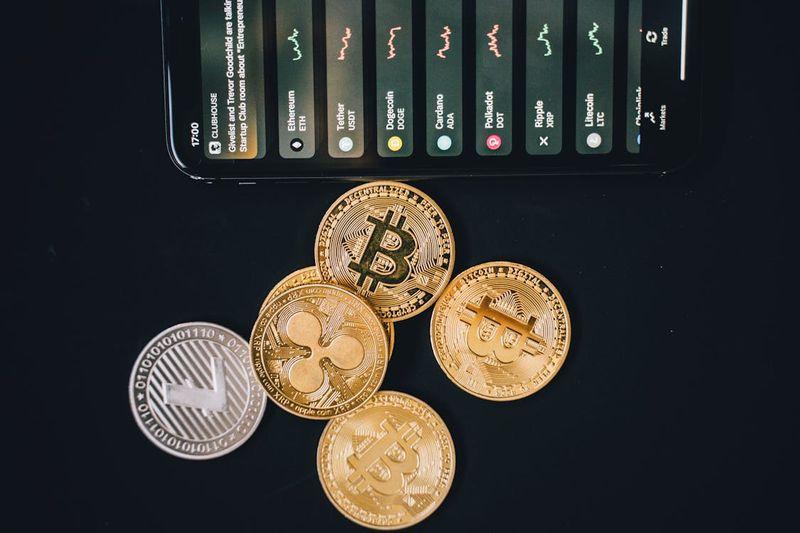
The ATO treats cryptocurrency as a capital gains tax (CGT) asset — not as a foreign currency. This means buying crypto is not a taxable event, but selling, trading, or spending it is. If you have held your crypto for more than 12 months, a 50% CGT discount applies. The ATO has data-matching arrangements with Australian crypto exchanges and will know about your trades.
What is crypto tax in Australia?
The ATO classifies cryptocurrency as a CGT asset under the Income Tax Assessment Act. Every time you dispose of crypto — whether by selling it for Australian dollars, exchanging it for another cryptocurrency, or using it to pay for goods and services — you trigger a CGT event. The gain or loss on that disposal is calculated and included in your tax return.
This is different from how some people intuitively think of crypto. A common misconception is that you only pay tax when you cash out to Australian dollars. In fact, swapping Bitcoin for Ethereum is a taxable disposal of Bitcoin — the ATO treats it as if you sold the Bitcoin at market value and used the proceeds to buy Ethereum.
One exception: personal use assets. If you hold a small amount of crypto for genuine personal use (e.g., you bought it specifically to make a purchase and used it quickly), CGT may not apply. But the ATO applies this exception narrowly.
How does crypto tax work in Australia?
CGT events that trigger tax:
- Selling crypto for AUD
- Trading one crypto for another (e.g., BTC → ETH)
- Using crypto to purchase goods or services
- Gifting crypto (treated as disposal at market value)
- Receiving crypto as payment for work or services (also ordinary income)
Events that do NOT trigger CGT:
- Buying crypto with AUD (acquiring an asset, not disposing)
- Transferring crypto between wallets you own (no change in beneficial ownership)
- Holding crypto (no disposal)
The 50% CGT discount: If you dispose of a cryptocurrency that you acquired more than 12 months ago, only 50% of the capital gain is included in your taxable income. This is the same discount available for property and shares.
Staking rewards and airdrops: These are generally treated as ordinary income (not CGT) at the time you receive them, valued at the market price when received. You then have a new cost base at that value, and CGT applies when you later dispose of those coins.
ATO data matching: The ATO has formal data-matching programs with Australian cryptocurrency exchanges including Coinbase, CoinJar, BTC Markets, and others. They receive transaction records and cross-match them against lodged tax returns. If you think the ATO won't know — it likely will.
Step-by-step: calculating and reporting crypto tax
- Download your transaction history from every exchange and wallet you have used during the financial year. Most exchanges provide a CSV export.
- Calculate your cost base for each disposal. The cost base is what you paid to acquire the crypto (including any fees). For crypto-to-crypto swaps, the cost base of the new asset is its market value at the time of acquisition.
- Calculate capital gains or losses for each disposal: proceeds minus cost base.
- Apply the 50% discount to any assets held for more than 12 months before disposal.
- Report staking rewards, airdrops, and DeFi income as ordinary income at the value received.
- Net capital gains. Capital losses offset capital gains. If total losses exceed gains, you carry the net loss forward to future years — you cannot use it to offset ordinary income.
- Include the net capital gain (or nil) in your tax return under the capital gains section.
Common mistakes to avoid
- Not reporting crypto-to-crypto trades. Every exchange transaction is potentially taxable, not just AUD withdrawals.
- Losing track of your cost base. If you cannot substantiate your cost base, the ATO may assess the entire proceeds as a gain. Maintain records for at least five years.
- Claiming personal use asset exemption too broadly. The ATO expects you to demonstrate the crypto was acquired and used promptly for a specific personal purchase. Investment crypto does not qualify.
- Ignoring DeFi and staking income. Many people diligently report exchange trades but forget staking rewards, liquidity pool income, and yield farming proceeds — all potentially taxable.
Frequently asked questions
Do I pay tax if I only hold crypto and never sell? No. Holding is not a CGT event. You only pay tax when you dispose of a CGT asset. If your Bitcoin has doubled in value but you have not sold it, you have an unrealised gain — no tax until you sell.
What if I made losses on crypto — can I use them to reduce my salary tax? No. Capital losses can only offset capital gains, not ordinary income like salary. However, you can carry capital losses forward indefinitely and apply them against future capital gains (from crypto, property, shares, or any other CGT asset).
Does the ATO really know about my crypto? Yes, in many cases. The ATO has issued formal data requests to exchanges and has stated it receives records covering hundreds of thousands of Australians. They also use blockchain analytics tools. Non-disclosure is a significant compliance risk.
Related calculator
Calculate capital gains tax on your crypto disposals, including the 12-month discount → Capital Gains Tax Calculator